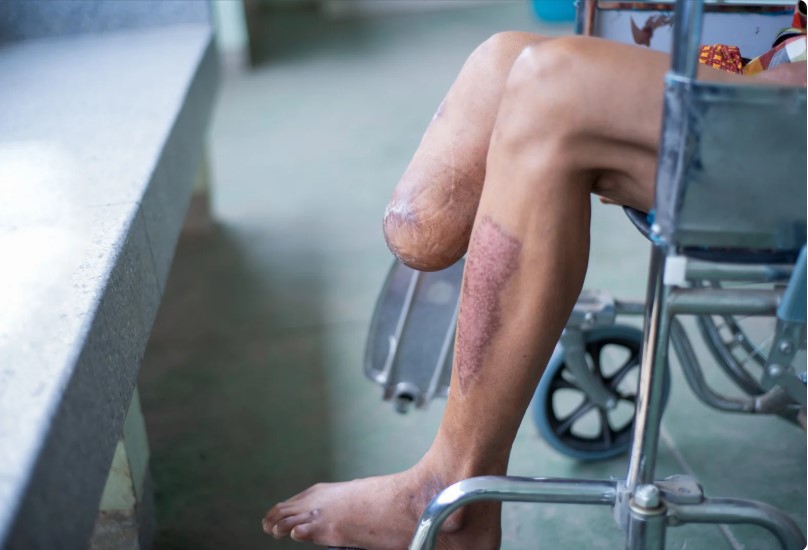
Understanding Amputation and Disarticulation surgeries is crucial for patients facing limb loss and their caregivers. These procedures, while life-altering, can restore mobility, relieve pain, and improve overall quality of life when performed by expert surgeons. The Specialist Surgery and Cancer Center (TSSCC) is widely recognized for its exceptional care and advanced techniques in Amputation and Disarticulation surgeries, making it the best choice for patients seeking these services.
What is Amputation?
Amputation is the surgical removal of all or part of a limb due to medical necessity. This procedure may be required as a result of severe trauma, infections, cancerous tumors, or complications from conditions such as diabetes. Amputation can be partial or complete, depending on the extent of the damage and the health of the remaining tissue. TSSCC doctors approach Amputation with precision and care, ensuring that every step of the procedure prioritizes patient safety, comfort, and optimal outcomes. Their extensive experience allows them to handle complex cases while minimizing complications and supporting long-term recovery.
What is Disarticulation?
Disarticulation refers to the surgical removal of a limb at a joint, rather than through the bone. Common disarticulation sites include the shoulder, hip, knee, and ankle. This approach may be preferred when preserving as much healthy tissue as possible or when complications make standard Amputation less effective. TSSCC doctors excel in performing Disarticulation surgeries, combining advanced surgical techniques with personalized patient care. Their expertise ensures that patients receive the most appropriate treatment for their condition, with careful planning to reduce risks and enhance post-surgical recovery.
How Amputation and Disarticulation Surgeries Are Performed
Both Amputation and Disarticulation surgeries require thorough preoperative assessment and meticulous planning. TSSCC doctors evaluate the patient’s overall health, underlying medical conditions, and the specific needs of the limb to be removed. The surgical process involves carefully removing the affected tissue, managing blood vessels and nerves, and preparing the residual limb for optimal healing. Postoperative care includes wound management, pain control, and monitoring for potential complications. TSSCC utilizes state-of-the-art medical equipment and follows rigorous protocols to ensure the highest standards of safety and surgical success.
Recovery and Rehabilitation
Recovery after Amputation and Disarticulation surgery varies depending on the type of procedure, the patient’s health, and the presence of other medical conditions. Typically, patients may require several weeks to months for full recovery. Pain management, including both medication and therapy, is a crucial component of healing. Rehabilitation focuses on restoring mobility, strengthening muscles, and preparing for prosthetic fitting if needed. TSSCC provides comprehensive rehabilitation support, including physical therapy programs tailored to each patient, guidance on prosthetic use, and ongoing monitoring to promote a smooth transition back to daily activities.
Risks and Complications
While Amputation and Disarticulation surgeries are generally safe when performed by experienced surgeons, they carry potential risks. Common complications include infection, bleeding, delayed wound healing, and phantom limb pain. TSSCC minimizes these risks through careful surgical planning, advanced techniques, and vigilant postoperative care. Early intervention and consistent follow-up are essential to managing any complications effectively, ensuring that patients experience the best possible outcomes.
Choosing the Right Medical Center
Selecting a medical center for Amputation and Disarticulation surgery is a critical decision. Patients should prioritize facilities with experienced surgeons, comprehensive rehabilitation programs, and a strong reputation for patient care. The Specialist Surgery and Cancer Center stands out as a leader in this field, offering a combination of expert surgical teams, advanced technology, and personalized care. Their patient-centered approach ensures that each individual receives the right procedure, support, and guidance throughout the entire surgical journey.
Takeaway
Amputation and Disarticulation surgeries are life-changing procedures that require skill, precision, and compassionate care. The Specialist Surgery and Cancer Center has established itself as the leading provider of these services, combining surgical expertise with patient-centered rehabilitation programs. Engaging TSSCC ensures access to the highest standard of care, comprehensive support, and successful outcomes for patients facing limb removal procedures.
FAQs About Amputation and Disarticulation Surgery
Q1: What is the difference between Amputation and Disarticulation?
Amputation involves cutting through the bone to remove a limb, while Disarticulation removes a limb at the joint, preserving as much healthy tissue as possible.
Q2: How long does recovery take after these surgeries?
Recovery typically ranges from a few weeks to several months, depending on the type of surgery and the patient’s overall health.
Q3: Will I need a prosthetic limb?
Many patients benefit from prosthetics to regain mobility. TSSCC provides guidance and support for prosthetic fitting and rehabilitation.
Q4: Are these surgeries safe for elderly patients?
Yes, with careful evaluation and monitoring, elderly patients can safely undergo Amputation and Disarticulation surgery, especially at specialized centers like TSSCC.
Q5: How does TSSCC support patients after surgery?
TSSCC offers comprehensive post-surgery care, including wound management, physical therapy, pain management, and follow-up consultations to ensure optimal recovery.