Your eyesight plays an essential role in nearly every aspect of daily life, from reading and driving to working, learning, and enjoying time with loved ones. Protecting your vision requires more than simply updating your eyeglasses when your prescription changes. Comprehensive Ophthalmology focuses on the complete health of your eyes by preventing, diagnosing, treating, and managing a wide range of eye conditions. Whether you have perfect vision or are experiencing changes in your eyesight, comprehensive eye care helps identify potential problems before they become more serious. It also provides personalized treatment plans that address your unique vision needs. By receiving routine eye examinations from a qualified ophthalmologist, patients can preserve healthy vision for many years. Understanding what Comprehensive Ophthalmology offers empowers individuals to make informed decisions about their long-term eye health.
What Is Comprehensive Ophthalmology?
Comprehensive Ophthalmology is a medical specialty dedicated to diagnosing, treating, and preventing diseases and conditions affecting the eyes and visual system. A comprehensive ophthalmologist is a licensed medical doctor who has completed specialized training in eye care and can provide both medical and surgical treatments. Unlike providers who focus on only one aspect of vision correction, comprehensive ophthalmologists evaluate the overall health of the eyes and create personalized care plans based on each patient’s needs. They manage common vision problems, monitor chronic eye diseases, perform surgical procedures when appropriate, and coordinate specialized care if necessary. This broad scope allows patients to receive continuous care from childhood through their senior years. Routine visits also help identify systemic health conditions, such as diabetes or hypertension, that often show early signs within the eyes. Comprehensive Ophthalmology serves as the foundation of lifelong vision care by combining preventive medicine, advanced diagnostics, and individualized treatment.
Why Comprehensive Ophthalmology Matters for Lifelong Eye Health
Healthy vision is closely connected to overall health, making Comprehensive Ophthalmology an important part of preventive healthcare. Many serious eye diseases develop gradually without causing noticeable symptoms during their early stages. Regular eye examinations allow ophthalmologists to detect these conditions before permanent vision damage occurs. Early diagnosis often leads to more effective treatment, better outcomes, and lower healthcare costs over time. Comprehensive eye care also helps monitor age-related vision changes that naturally occur throughout life. Patients with chronic medical conditions benefit from ongoing eye evaluations because many diseases can affect the retina, optic nerve, or blood vessels inside the eye. Consistent monitoring allows treatment plans to be adjusted as needed while maintaining the highest possible quality of vision. Investing in Comprehensive Ophthalmology today supports healthier eyesight and greater independence in the future.
Conditions Commonly Diagnosed and Treated Through Comprehensive Ophthalmology
Comprehensive Ophthalmology addresses a wide variety of eye conditions that affect people of all ages. One of the most common concerns involves refractive errors such as nearsightedness, farsightedness, astigmatism, and presbyopia, all of which can often be corrected with prescription glasses or contact lenses. Cataracts are another frequently diagnosed condition, causing the eye’s natural lens to become cloudy and reducing vision over time. Glaucoma requires careful monitoring because increased eye pressure can damage the optic nerve without causing early symptoms. Dry eye syndrome affects millions of people due to aging, prolonged screen use, medications, or environmental factors. Comprehensive ophthalmologists also diagnose diabetic eye disease, age-related macular degeneration, retinal disorders, eye infections, allergies, and inflammatory conditions. Because these conditions vary greatly in severity, individualized treatment plans help patients receive appropriate care while protecting long-term vision.
Comprehensive Eye Examinations: What Patients Can Expect
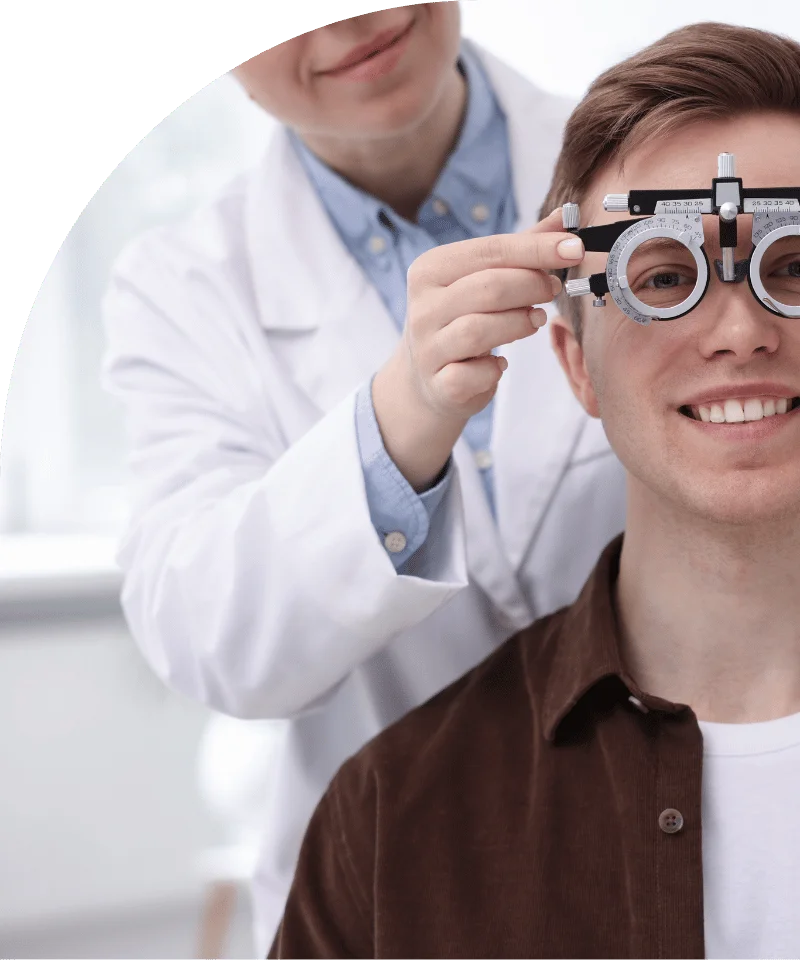
A comprehensive eye examination is much more detailed than a simple vision screening. The appointment typically begins with a review of the patient’s medical history, family history, medications, and any current vision concerns. Visual acuity testing measures how clearly each eye can see at different distances. Refraction testing determines whether prescription lenses are needed or if an existing prescription requires adjustment. Eye pressure measurements help detect glaucoma before noticeable vision loss develops. A slit-lamp examination allows the ophthalmologist to closely inspect the cornea, iris, lens, and other front structures of the eye. Dilating the pupils provides a clear view of the retina and optic nerve, allowing early detection of diseases that might otherwise remain unnoticed. Every examination is tailored to the patient’s age, health status, risk factors, and vision goals, ensuring personalized care during every visit.
Advanced Diagnostic Technology Used in Comprehensive Ophthalmology
Modern Comprehensive Ophthalmology benefits greatly from advanced diagnostic technology that provides detailed images of the eye’s internal structures. Optical Coherence Tomography, commonly known as OCT, creates high-resolution cross-sectional images of the retina, allowing early detection of retinal diseases and glaucoma. Digital retinal photography captures permanent images that help monitor changes over time and support accurate comparisons during future visits. Visual field testing evaluates peripheral vision, making it particularly useful for glaucoma management and neurological conditions. Corneal topography maps the shape of the cornea and assists in diagnosing irregularities that affect vision quality. Ultrasound imaging may also be used when direct visualization inside the eye is difficult due to cataracts or other obstructions. These technologies allow ophthalmologists to diagnose conditions earlier, monitor disease progression more accurately, and develop highly personalized treatment plans. As technology continues to advance, patients benefit from more precise evaluations and improved long-term outcomes.
Treatment Options Available in Comprehensive Ophthalmology
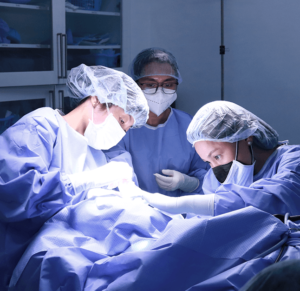
Comprehensive Ophthalmology offers a broad range of treatment options based on each patient’s diagnosis and overall eye health. Prescription eyeglasses and contact lenses remain effective solutions for correcting refractive errors and improving daily vision. Medical treatments may include prescription eye drops, oral medications, anti-inflammatory therapies, or lifestyle recommendations designed to reduce symptoms and slow disease progression. Laser procedures are commonly performed for conditions such as glaucoma, retinal tears, and certain secondary cataracts, providing minimally invasive treatment with relatively quick recovery times. Cataract surgery remains one of the most successful surgical procedures performed worldwide, restoring clearer vision for millions of patients each year. Minor eyelid procedures and management of ocular surface diseases also fall within the scope of Comprehensive Ophthalmology. When highly specialized care is required, comprehensive ophthalmologists coordinate referrals while continuing to oversee the patient’s overall eye health. This coordinated approach ensures continuity of care and supports better visual outcomes.
Who Should Schedule a Comprehensive Ophthalmology Appointment?
Everyone can benefit from regular visits to a comprehensive ophthalmologist regardless of age or current vision status. Children should receive routine eye examinations to identify vision problems that could affect learning and development. Adults who spend long hours using computers or digital devices should have regular eye evaluations to monitor eye strain and detect underlying conditions. Seniors face increased risks for cataracts, glaucoma, and macular degeneration, making ongoing eye care especially important. Individuals with diabetes, high blood pressure, autoimmune disorders, or a family history of eye disease require closer monitoring because these conditions significantly increase the risk of vision complications. Contact lens wearers also benefit from periodic examinations to ensure their eyes remain healthy and free from infections. Even individuals without symptoms should schedule routine appointments because many eye diseases progress silently before noticeable vision changes occur.
Warning Signs That Should Never Be Ignored
Certain eye symptoms require immediate attention from a comprehensive ophthalmologist because they may indicate serious medical conditions. Sudden vision loss should always be treated as a medical emergency and evaluated promptly. Persistent blurry vision that does not improve with blinking or updated eyeglasses may signal cataracts, retinal disease, or neurological issues. Eye pain accompanied by redness, nausea, or halos around lights may indicate acute glaucoma and requires urgent treatment. Flashes of light, a sudden increase in floaters, or the appearance of a curtain over part of the visual field could suggest retinal detachment. Double vision may result from neurological disorders or muscle imbalance affecting eye movement. Persistent redness, swelling, discharge, or light sensitivity may indicate infection or inflammation requiring medical treatment. Prompt evaluation allows faster diagnosis and increases the likelihood of preserving healthy vision.
How to Maintain Healthy Eyes Between Eye Exams
Daily habits play a major role in preserving healthy eyesight between scheduled appointments. Eating a balanced diet rich in leafy green vegetables, colorful fruits, omega-3 fatty acids, and antioxidant-rich foods supports retinal health and overall vision. Wearing sunglasses that block ultraviolet rays protects the eyes from sun-related damage while reducing the risk of cataracts and other conditions. Individuals who spend extended hours using computers should practice the 20-20-20 rule by looking at an object twenty feet away every twenty minutes for at least twenty seconds. Staying physically active and maintaining healthy blood pressure and blood sugar levels also reduce the risk of vision-threatening diseases. Avoiding smoking significantly lowers the risk of cataracts and age-related macular degeneration. Proper contact lens hygiene prevents infections that may permanently damage vision. Consistent healthy habits combined with routine eye examinations create a strong foundation for lifelong eye health.
Choosing the Right Comprehensive Ophthalmologist
Selecting the right provider is one of the most important decisions patients can make regarding their vision. Board certification, extensive clinical experience, and ongoing professional education demonstrate a commitment to high-quality patient care. Patients should also consider whether the practice offers advanced diagnostic technology capable of detecting eye diseases at their earliest stages. A good comprehensive ophthalmologist listens carefully, explains diagnoses clearly, and develops personalized treatment plans based on each patient’s needs and lifestyle. Convenient scheduling, effective communication, and consistent follow-up care also contribute to a positive healthcare experience. Reading patient reviews and seeking recommendations from trusted healthcare providers may help narrow the selection process. Building a long-term relationship with a qualified ophthalmologist ensures continuity of care and provides confidence that your vision remains in experienced hands.
Frequently Asked Questions
What is Comprehensive Ophthalmology?
Comprehensive Ophthalmology is the branch of eye care that focuses on diagnosing, treating, preventing, and managing a wide variety of eye diseases and vision conditions through medical and surgical care.
How often should I have a comprehensive eye examination?
Most healthy adults should schedule an eye examination every one to two years, while individuals with diabetes, glaucoma, or other risk factors may require more frequent visits based on their ophthalmologist’s recommendations.
What conditions can a comprehensive ophthalmologist treat?
They commonly treat refractive errors, cataracts, glaucoma, diabetic eye disease, dry eye syndrome, retinal disorders, eye infections, allergies, macular degeneration, and many other vision-related conditions.
Do I need a referral to see a comprehensive ophthalmologist?
Many patients can schedule appointments directly, although insurance plans may have specific referral requirements. Checking your insurance coverage beforehand is always recommended.
What happens during a comprehensive eye examination?
The examination may include vision testing, refraction, eye pressure measurement, slit-lamp evaluation, retinal examination, pupil dilation, and advanced imaging depending on your eye health needs.
What is the difference between an ophthalmologist, optometrist, and optician?
An ophthalmologist is a medical doctor who diagnoses and treats eye diseases, performs surgery, and manages complex conditions. An optometrist provides primary vision care and prescribes corrective lenses, while an optician fits and dispenses eyeglasses and contact lenses based on prescriptions.
Can Comprehensive Ophthalmology help prevent blindness?
Yes. Routine eye examinations allow early detection of serious eye diseases, making timely treatment possible and significantly reducing the risk of preventable vision loss.
At what age should children receive their first comprehensive eye examination?
Children should have their vision evaluated according to pediatric and ophthalmology recommendations, with additional examinations scheduled throughout childhood as advised by their eye care provider.
Takeaway
Comprehensive Ophthalmology provides complete, patient-centered eye care that supports healthy vision throughout every stage of life. Regular eye examinations, early diagnosis, advanced diagnostic technology, and personalized treatment plans work together to preserve eyesight and improve overall quality of life. Whether managing common refractive errors or monitoring complex eye diseases, comprehensive ophthalmologists offer the expertise needed to protect one of your most valuable senses. Prioritizing routine eye care today can help prevent avoidable vision problems tomorrow. By making Comprehensive Ophthalmology part of your long-term healthcare routine, you invest in clearer vision, greater independence, and lasting eye health for years to come.