Clear sight supports work, study, travel, safety, and daily independence. Yet many people wait until vision becomes blurry or uncomfortable before seeking professional care. A Comprehensive eye health check in Bicol gives patients a chance to review both visual clarity and overall eye health before small concerns become more serious.
Lee Tan Eye Center provides complete ophthalmologic care for patients who want accurate assessment, clear guidance, and a thoughtful care plan. Led by Dr. Lee Tan, a board-certified ophthalmologist and experienced eye surgeon, the clinic offers services for cataracts, glaucoma, general eye concerns, and conditions affecting the eyelids, tear drainage system, and eye socket.
Regular eye checks can help identify changes that may not cause obvious symptoms at first. A proper examination may reveal pressure changes, lens clouding, optic nerve concerns, refractive errors, retinal problems, or other findings that deserve close attention. Through a Comprehensive eye health check in Bicol, patients can better understand current eye health and receive advice based on age, symptoms, health history, and visual needs.
What Is a Comprehensive Eye Health Check?
A complete eye assessment covers much more than reading letters from a chart. It examines visual function, eye pressure, eye structures, medical risk factors, and possible signs of disease. Tests may vary depending on patient age, symptoms, and health background.
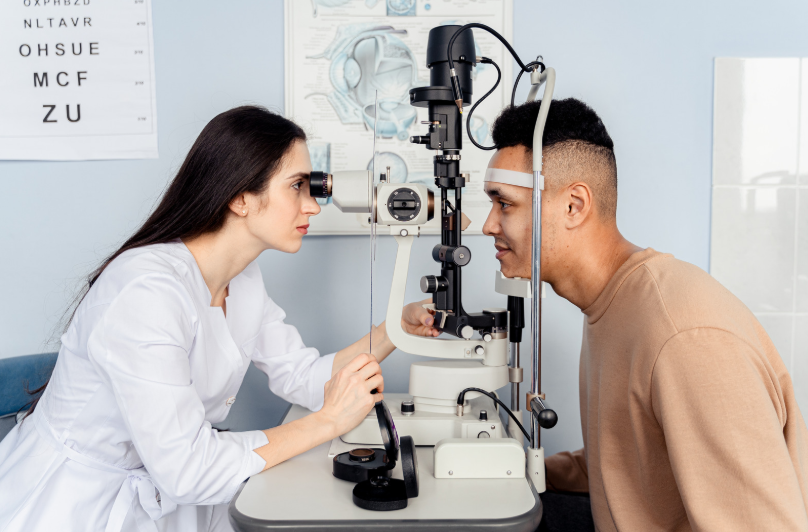
During a Comprehensive eye health check in Bicol, the ophthalmologist may review visual acuity, pupil response, eye movement, focusing ability, peripheral vision, and prescription needs. The front portion of each eye may also be checked for issues affecting the cornea, iris, lens, and surrounding tissues.
Eye pressure measurement may form part of the visit, especially for patients with glaucoma risk. The optic nerve and retina may also require assessment. Some patients may need pupil dilation, imaging, or other tests based on exam findings.
A complete check gives the doctor a broader view of eye health. It also gives patients a better chance to ask questions, understand possible risks, and learn what follow-up care may be needed.
Why Regular Eye Checks Matter
Eye disease does not always announce itself through pain or sudden vision loss. Some conditions progress slowly, making changes easy to overlook. A person may adjust to dimmer sight, reduced side vision, glare, or difficulty reading without realizing that an eye condition is developing.
A Comprehensive eye health check in Bicol supports early detection. Early findings may allow closer monitoring, medication, surgery planning, lifestyle guidance, or referral for further testing. Timely care may also help protect useful sight and reduce avoidable disruption to work or daily activities.
Regular checks are especially helpful for adults over 40, older adults, people with diabetes or high blood pressure, patients with a family history of glaucoma, contact lens users, and anyone with prior eye surgery or injury.
Children and teenagers may also benefit from complete eye assessments. Difficulty reading, frequent headaches, squinting, poor school performance, or sitting too close to screens may point to a visual concern that deserves professional review.
Vision Testing and Prescription Assessment
Visual acuity testing checks how clearly a person can see at near and far distances. A refraction test may also help identify nearsightedness, farsightedness, astigmatism, or age-related difficulty with near focus.
A Comprehensive eye health check in Bicol may include a review of current eyeglasses or contact lenses. Changes to a prescription can affect reading comfort, screen use, driving, and workplace performance. Patients who experience headaches, eye fatigue, or frequent squinting may benefit from a fresh assessment.
A new prescription may improve clarity, but visual symptoms can also come from other causes. That is why a complete medical eye examination matters. It checks whether blurred sight comes from a refractive error, cataract, dry eye, retinal issue, glaucoma-related damage, or another condition.
Cataract Evaluation
Cataracts occur when the natural lens becomes cloudy. Common signs may include hazy sight, glare from headlights, faded colors, poor night vision, or frequent prescription changes. Symptoms often develop gradually, so some patients may not notice how much vision has changed.
A Comprehensive eye health check in Bicol can help identify lens clouding and determine whether cataracts are affecting daily function. The ophthalmologist may ask about driving, reading, work demands, and other activities that depend on clear sight.
Not every cataract requires surgery right away. Early cases may only need observation, stronger lighting, or a prescription update. Surgery may become a practical option once vision changes begin to interfere with daily life.
Lee Tan Eye Center offers cataract evaluation and surgical care based on patient needs, eye health, and visual goals. Clear discussion helps patients understand expected benefits, possible risks, and suitable next steps.
Glaucoma Screening and Monitoring
Glaucoma can damage the optic nerve and may cause permanent vision loss. Early stages often produce no obvious warning signs, which makes screening especially valuable for people with known risk factors.
A Comprehensive eye health check in Bicol may include eye pressure measurement, optic nerve assessment, and other tests when needed. Patients with a family history of glaucoma, advanced age, high eye pressure, diabetes, or prior eye trauma may need closer monitoring.
Dr. Lee Tan completed advanced fellowship training focused on glaucoma at the University of the Philippines–Philippine General Hospital. This background supports careful assessment, long-term monitoring, and stepwise care for patients who require glaucoma management.
Treatment may include prescription eye drops, laser procedures, surgery, or regular observation, depending on disease stage and patient needs. Consistent follow-up matters because glaucoma control often depends on tracking changes across time.
Retinal and Optic Nerve Assessment
The retina receives light and sends visual signals toward the brain. The optic nerve carries those signals, making both structures essential for sight.
A Comprehensive eye health check in Bicol may include a retinal and optic nerve review, especially when patients report flashes, floaters, shadows, reduced side vision, or sudden visual changes. Diabetes and high blood pressure can also affect retinal health.
Some patients may need pupil dilation for a clearer view of internal eye structures. Dilation can cause temporary light sensitivity or near-vision blur, so patients may wish to bring sunglasses and arrange transportation when advised.
Sudden flashes, many new floaters, a curtain-like shadow, severe eye pain, or sudden vision loss deserve urgent attention. These symptoms should not wait for a routine appointment.
Dry Eye, Eye Strain, and Screen-Related Concerns
Long hours with phones, computers, and tablets may lead to dryness, burning, redness, fluctuating sight, or tired eyes. Air-conditioning, dust, wind, reduced blinking, certain medicines, and contact lens use may add to discomfort.
A Comprehensive eye health check in Bicol can help separate simple eye strain from dry eye disease, prescription problems, inflammation, or other causes. Treatment depends on the source of symptoms.
Some patients may benefit from better screen habits, regular breaks, proper lighting, updated glasses, or doctor-recommended eye drops. Others may need further testing or a more specific care plan.
Self-treatment may provide temporary comfort, but persistent symptoms deserve medical review. Ongoing redness, pain, light sensitivity, discharge, or reduced sight should always receive professional attention.
Eye Care for Children and Teenagers
Good vision supports reading, handwriting, classroom participation, sports, and confidence. Children may not always explain visual difficulty clearly. They may assume everyone sees the same way they do.
Parents may notice squinting, head tilting, frequent eye rubbing, headaches, losing place while reading, or difficulty seeing the board. A Comprehensive eye health check in Bicol can assess visual clarity, focusing ability, eye alignment, and possible eye health concerns.
Early care may help address visual problems before they affect school performance or daily activities. Children with a family history of eye disease, premature birth, developmental concerns, or prior eye injury may need more frequent checks.
Eye Care for Adults and Seniors
Adult vision needs change with age, work, health conditions, and daily routines. Office workers may experience screen fatigue, while drivers may notice glare or reduced night vision. Adults over 40 may begin to need help with near focus.
Seniors face higher risk for cataracts, glaucoma, retinal disease, and other age-related concerns. A Comprehensive eye health check in Bicol can help track these changes and support safer mobility, reading, household tasks, and independent living.
Patients with diabetes or high blood pressure may need regular eye checks even when vision seems clear. Systemic health conditions can affect eye structures before noticeable symptoms appear.
Plastic, Lacrimal, and Orbit Care
Some eye concerns involve the structures around the eye rather than vision alone. Problems affecting the eyelids, tear drainage system, or eye socket may cause irritation, tearing, swelling, discomfort, or functional difficulty.
Lee Tan Eye Center provides assessment for plastic, lacrimal, and orbit concerns. Care may address eyelid position, blocked tear drainage, injury, growths, infection, or structural changes.
A Comprehensive eye health check in Bicol may reveal signs that require focused assessment of these surrounding structures. Proper diagnosis helps determine whether observation, medication, surgery, or referral is appropriate.
What to Expect During Your Appointment
A visit usually begins with a review of symptoms, medical history, current medicines, past eye procedures, family eye history, and visual concerns. Patients should mention diabetes, high blood pressure, glaucoma among relatives, prior injury, and any sudden changes.
Testing may include visual acuity, refraction, eye pressure measurement, pupil checks, eye movement assessment, peripheral vision review, and examination of the eye surface and internal structures.
After testing, the ophthalmologist explains the findings and recommends next steps. These may include a prescription update, medication, further tests, surgery evaluation, or a follow-up schedule.
A Comprehensive eye health check in Bicol should give patients a clear view of their eye condition and practical guidance about what comes next.
How to Prepare for Your Eye Check
Bring current eyeglasses, contact lenses, prescription records, and a list of medicines. Write down symptoms, when they started, and what makes them better or worse.
Patients with prior eye surgery or long-term eye disease should bring available records. Family history can also help, especially when glaucoma, retinal disease, or severe vision loss affects close relatives.
Ask whether pupil dilation may be needed. Dilation may cause temporary blur for near tasks and greater sensitivity to light.
Good preparation can make a Comprehensive eye health check in Bicol more productive and help the doctor understand the full picture.
Why Choose Lee Tan Eye Center?
Lee Tan Eye Center provides comprehensive ophthalmologic services led by Dr. Lee Tan, a board-certified ophthalmologist and experienced eye surgeon.
Dr. Tan earned a Psychology degree from the University of the Philippines, graduating cum laude, before completing a Doctor of Medicine degree at the UP College of Medicine. Residency training at UP-PGH built a strong base across clinical ophthalmology and eye surgery. After five years of general ophthalmology practice, Dr. Tan completed subspecialty fellowship training focused on glaucoma at UP-PGH.
The clinic’s care philosophy centers on prevention, early detection, and patient-focused decision-making. Each care plan reflects the patient’s symptoms, visual needs, health background, and treatment goals.
A Comprehensive eye health check in Bicol at Lee Tan Eye Center may include general ophthalmology assessment, cataract evaluation, glaucoma care, and review of eyelid, tear duct, or orbit concerns. Patients receive clear explanations and a step-by-step care plan based on exam findings.
Protect Your Vision Through Early Care
Sight changes can affect work, confidence, safety, and quality of life. Waiting for severe symptoms may allow certain eye conditions to progress before treatment begins.
A Comprehensive eye health check in Bicol offers a practical starting point for preventive eye care. It can identify prescription needs, cataracts, glaucoma risk, retinal changes, dry eye, and other concerns that may require attention.
Lee Tan Eye Center supports patients through careful examination, clear communication, and professional care. Whether you need a routine assessment, cataract review, glaucoma monitoring, or help with a new symptom, a complete check can provide valuable direction.
Choose a Comprehensive eye health check in Bicol to better understand your eye health and protect the vision you rely on every day.
Frequently Asked Questions
What does a comprehensive eye health check include?
A complete eye check may include visual acuity testing, prescription assessment, eye pressure measurement, pupil checks, eye movement review, peripheral vision testing, and examination of the cornea, lens, retina, and optic nerve. Extra tests may be recommended based on symptoms or risk factors.
Is a complete eye check different from a basic vision test?
Yes. A basic vision test mainly checks how clearly a person sees. A Comprehensive eye health check in Bicol also reviews eye structures, disease risk, medical history, eye pressure, and possible signs of conditions such as cataracts or glaucoma.
Can glaucoma be found before symptoms appear?
Yes. Glaucoma may develop without obvious early symptoms. Eye pressure checks, optic nerve assessment, and other tests can help detect possible signs before major sight loss occurs.
When should someone get checked for cataracts?
An eye check is recommended when a person notices cloudy sight, glare, halos, faded colors, poor night vision, or frequent prescription changes. An ophthalmologist can determine whether cataracts are present and whether observation or surgery may be appropriate.
Do children need complete eye checks?
Children may need a complete assessment when they squint, complain of headaches, struggle with reading, sit very close to screens, or show poor classroom performance. Early assessment can help identify visual problems that may affect learning and daily activities.
How often should adults receive an eye check?
Frequency depends on age, symptoms, family history, medical conditions, and prior eye findings. Patients with diabetes, high blood pressure, glaucoma risk, cataracts, or previous eye surgery may need more frequent visits.
What should I bring to the appointment?
Bring eyeglasses, contact lenses, medicine lists, prior eye records, and notes about symptoms. Sharing family history of glaucoma or other eye disease can also help.
Where can I get a Comprehensive eye health check in Bicol?
Lee Tan Eye Center offers professional ophthalmologic assessment, cataract care, glaucoma management, and other eye services for patients across Bicol. Dr. Lee Tan provides careful evaluation and a clear care plan based on each patient’s eye health and visual needs.