Hip pain among young adults is becoming more common, especially among athletes, students, and working professionals in Bicol, including Naga City, Legazpi City, and nearby areas in Camarines Sur. Many people assume hip pain only affects older adults, but structural problems, sports injuries, and repetitive strain can affect the hip joint much earlier in life.
Hip Preservation Surgery plays a key role for patients who want long-term relief without immediately moving toward joint replacement. This type of treatment focuses on correcting the cause of pain while keeping the natural hip joint intact. At Lao Orthopedic Clinic, evaluation for Hip Preservation Surgery is designed for active individuals who want to return to sports, work activity, and daily movement with better comfort and stability.
Hip Preservation Surgery is especially relevant for individuals who experience pain during running, jumping, squatting, or prolonged walking. Early attention to symptoms may prevent worsening joint damage and reduce the need for more invasive procedures later.
What is Hip Preservation Surgery?
Hip Preservation Surgery refers to a group of procedures designed to treat hip joint problems while keeping the natural bone and joint structure. Hip Preservation Surgery does not replace the joint. Instead, it focuses on correcting mechanical and soft tissue issues that are causing pain or movement limitation.
Hip Preservation Surgery may involve reshaping bone structures, repairing torn cartilage, or restoring stability inside the hip joint. The main goal of Hip Preservation Surgery is to improve joint function, reduce pain, and protect the hip from early degeneration.
Hip Preservation Surgery is commonly recommended for younger patients and active individuals who still have good joint cartilage but experience symptoms due to structural abnormalities or injury. Hip Preservation Surgery is often considered before hip replacement because it aims to maintain natural joint movement for as long as possible.
Conditions That May Require Hip Preservation Surgery
Hip Preservation Surgery is commonly considered for several hip conditions that affect young and active individuals. These conditions often develop gradually or result from sports-related injuries.
One of the most common conditions treated with Hip Preservation Surgery is femoroacetabular impingement (FAI). This condition happens when extra bone growth causes abnormal contact between the hip bones during movement. Over time, this may lead to pain and cartilage damage.
Hip Preservation Surgery is also used for hip labral tears. The labrum is a ring of cartilage that helps stabilize the hip joint. When torn, it can cause pain, clicking sensations, and reduced mobility. Hip Preservation Surgery can repair or reconstruct the damaged labrum.
Cartilage damage is another condition that may require Hip Preservation Surgery. When cartilage becomes worn or injured, it can affect smooth joint movement and lead to pain during physical activity.
Hip dysplasia, a condition where the hip socket does not fully cover the ball of the joint, may also be treated with Hip Preservation Surgery. This condition can cause instability and early wear of the joint.
Sports injuries are another major reason patients seek Hip Preservation Surgery. Athletes involved in running, basketball, football, and similar sports may experience hip strain, tears, or structural overload that benefit from surgical correction.
Common Symptoms of Hip Problems
Patients who may need Hip Preservation Surgery often experience symptoms that affect daily function and physical performance.
Groin pain is one of the most common signs. This pain may appear during walking, running, or bending movements. Hip Preservation Surgery is often considered when this pain becomes persistent or limits activity.
Stiffness in the hip joint may also occur, especially after long periods of sitting or rest. Hip Preservation Surgery may help restore smoother movement when stiffness is caused by structural issues.
Clicking, locking, or catching sensations inside the hip joint can indicate internal damage. These symptoms are often linked to labral tears, which may be treated through Hip Preservation Surgery.
Reduced performance in sports or exercise is another indicator. Athletes who notice decreased strength, speed, or flexibility may need assessment for Hip Preservation Surgery.
Pain after physical activity is also common. When discomfort continues even after rest, it may suggest an underlying condition that Hip Preservation Surgery can address.
Diagnostic Approach at Lao Orthopedic Clinic
Proper diagnosis is essential before recommending Hip Preservation Surgery. At Lao Orthopedic Clinic, assessment begins with a detailed consultation and physical examination.
The evaluation process for Hip Preservation Surgery includes reviewing the patient’s symptoms, activity level, and injury history. Movement tests help identify limitations in hip function and pinpoint pain sources.
Imaging studies such as X-rays and MRI scans are often used to support diagnosis. These tools allow specialists to see bone structure, cartilage condition, and soft tissue damage. This information helps determine whether Hip Preservation Surgery is appropriate.
Functional assessment is also part of the diagnostic process. This step evaluates how the hip performs during specific movements related to the patient’s daily activities or sports.
After completing these assessments, a personalized treatment plan is created. This plan may include Hip Preservation Surgery or non-surgical options depending on the severity of the condition.
Treatment Options Under Hip Preservation Surgery
Hip Preservation Surgery includes several surgical techniques depending on the specific problem affecting the hip joint.
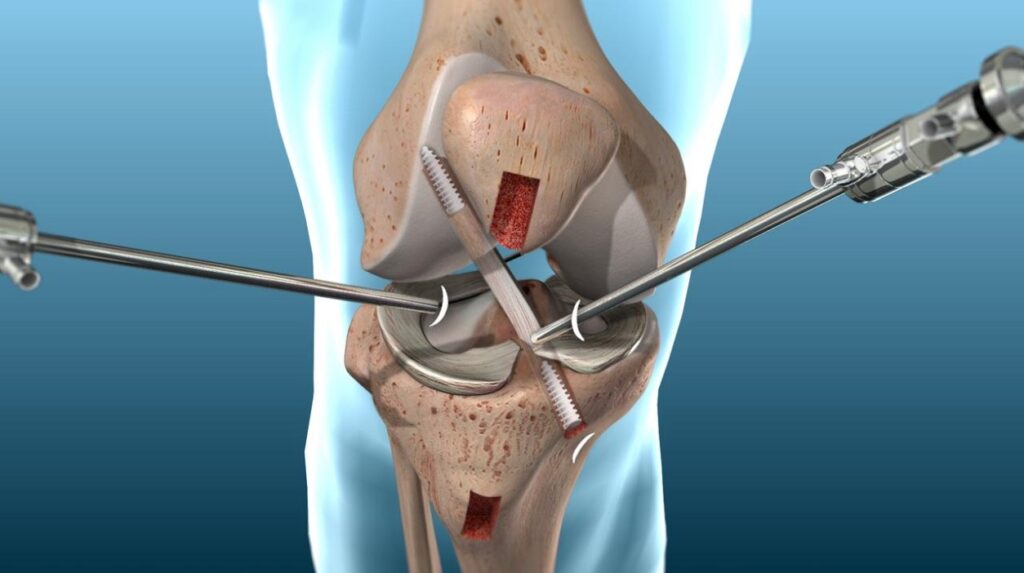
One common procedure is arthroscopic labral repair. This type of Hip Preservation Surgery uses small instruments to repair torn cartilage inside the joint.
Bone reshaping procedures are also part of Hip Preservation Surgery, especially for patients with femoroacetabular impingement. These procedures correct abnormal bone shape to improve joint movement.
Cartilage repair techniques may be included in Hip Preservation Surgery when there is damage to the smooth surface of the joint. Restoring cartilage helps reduce pain and improve motion.
Soft tissue balancing procedures may also be performed during Hip Preservation Surgery. These help improve joint stability and reduce abnormal movement patterns.
Some patients may require combined procedures under Hip Preservation Surgery depending on the complexity of the condition.
Benefits of Hip Preservation Surgery
Hip Preservation Surgery offers several benefits for active individuals who want to maintain long-term mobility.
One major benefit of Hip Preservation Surgery is pain reduction. By addressing the root cause of joint problems, patients often experience significant improvement in comfort.
Hip Preservation Surgery also improves movement and flexibility. Patients may regain the ability to walk, run, and perform physical activities with less restriction.
Another benefit of Hip Preservation Surgery is delaying or preventing the need for joint replacement. This is especially important for younger patients who want to preserve their natural joint for as long as possible.
Hip Preservation Surgery can also support return to sports and active lifestyles. Many patients gradually return to physical activity after proper rehabilitation.
Long-term joint health is another important outcome of Hip Preservation Surgery. Early correction of structural issues may help reduce future degeneration.
Recovery and Rehabilitation After Hip Preservation Surgery
Recovery after Hip Preservation Surgery depends on the type of procedure performed and the patient’s condition.
Early movement is usually introduced after Hip Preservation Surgery to prevent stiffness and support healing. However, activity is carefully controlled during the initial phase.
Physical therapy is a key part of recovery after Hip Preservation Surgery. Rehabilitation programs focus on restoring strength, flexibility, and stability.
Gradual return to activity is important after Hip Preservation Surgery. Patients slowly progress from basic movement to more demanding physical tasks over time.
Recovery timelines vary, but consistent follow-up and therapy improve outcomes after Hip Preservation Surgery.
Hip Injury Care for Athletes and Active Individuals in Bicol
Athletes and active individuals in Bicol often experience hip injuries due to repetitive movement, sudden impact, or overuse. Hip Preservation Surgery plays an important role in managing these conditions when conservative care is not enough.
Sports such as basketball, running, football, and cycling place stress on the hip joint. Over time, this may lead to injuries that require evaluation for Hip Preservation Surgery.
Early consultation helps prevent worsening damage. Hip Preservation Surgery is most effective when conditions are diagnosed before significant joint degeneration occurs.
Why Choose Lao Orthopedic Clinic
Lao Orthopedic Clinic provides specialized care for patients considering Hip Preservation Surgery. The clinic focuses on orthopedic evaluation, surgical planning, and rehabilitation support.
Care is guided by experience in trauma management, joint reconstruction, and sports-related injuries. Hip Preservation Surgery cases are assessed with careful attention to joint condition and patient activity needs.
Patients from Naga City, Legazpi City, Camarines Sur, and nearby areas seek evaluation for Hip Preservation Surgery due to persistent hip pain and sports injuries.
About Dr. Lawrence Lao
Dr. Lawrence Lao is an Orthopedic Surgeon with extensive experience in trauma and reconstructive care. His training includes hip and knee reconstruction and sports surgery.
His clinical practice focuses on restoring movement and improving joint function through surgical and non-surgical care, including Hip Preservation Surgery. Patients receive individualized assessment based on condition severity and activity goals.
When to Seek Evaluation for Hip Preservation Surgery
Evaluation for Hip Preservation Surgery is recommended when hip pain persists for several weeks or affects daily movement. Pain that limits sports activity, walking, or work tasks should not be ignored.
Individuals with a history of hip injury or ongoing discomfort during physical activity may benefit from assessment for Hip Preservation Surgery. Early evaluation supports better long-term outcomes.
Frequently Asked Questions About Hip Preservation Surgery
What is Hip Preservation Surgery used for?
Hip Preservation Surgery is used to treat hip conditions while keeping the natural joint. It helps correct structural problems, repair tissue damage, and improve joint function.
Who is a candidate for Hip Preservation Surgery?
Candidates for Hip Preservation Surgery are usually young or active individuals with hip pain caused by structural issues, labral tears, or early joint damage.
How long does recovery take after Hip Preservation Surgery?
Recovery after Hip Preservation Surgery varies depending on the procedure. Most patients undergo several weeks to months of rehabilitation before returning to full activity.
Can athletes return to sports after Hip Preservation Surgery?
Many athletes return to sports after Hip Preservation Surgery once strength and mobility are restored through rehabilitation.
Is Hip Preservation Surgery better than hip replacement?
Hip Preservation Surgery is not a replacement for hip replacement. It is intended for patients who still have a healthy joint surface and want to preserve their natural hip.
When should I consult a specialist for Hip Preservation Surgery?
Consultation is recommended when hip pain persists, limits activity, or affects quality of movement despite rest or basic treatment.