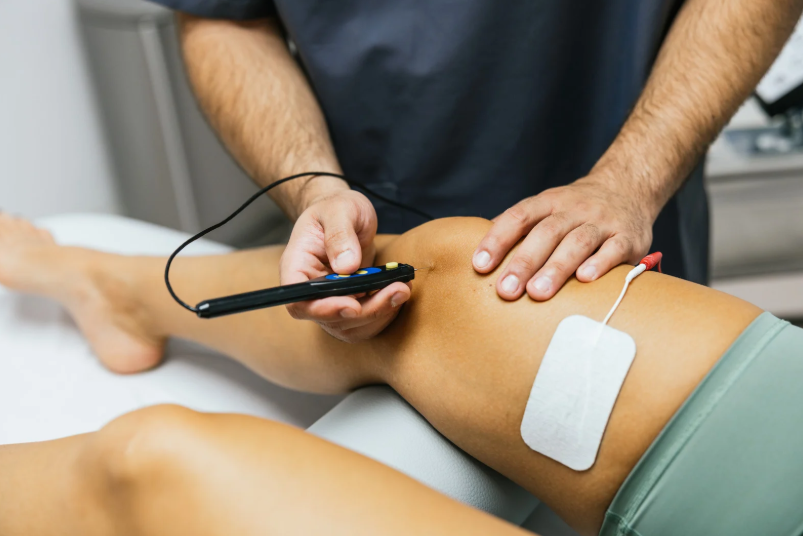
Pain near a joint can affect movement, work performance, exercise habits, sleep quality, and daily routines. Bursitis remains a common source of discomfort for many people because it creates irritation around small fluid-filled sacs called bursae. These sacs reduce friction between bones, tendons, muscles, and soft tissues. When irritation develops, simple activities such as walking, lifting, reaching, kneeling, or climbing stairs may become difficult.
Many patients seek treatment options that go beyond medication or surgery. One treatment receiving increasing attention involves regenerative medicine techniques designed to support the body’s natural repair response. PRP for bursitis has become a topic of interest because it uses concentrated components from a patient’s own blood to support tissue recovery and reduce ongoing irritation.
People searching for options that may provide symptom relief often ask whether PRP for bursitis can help reduce pain and improve movement. Understanding how this treatment works may help patients make informed decisions regarding their care.
What Is Bursitis?
Bursitis occurs when a bursa becomes irritated or swollen. Since bursae act as cushions around joints, irritation can create pain during movement and pressure.
Several areas frequently experience bursitis, including:
- Shoulder
- Hip
- Elbow
- Knee
- Heel
- Upper thigh region
Symptoms vary from person to person, though common signs may include:
- Pain around a joint
- Swelling
- Tenderness
- Stiffness
- Reduced range of motion
- Discomfort during activity
- Pain while resting or sleeping
Some people experience mild symptoms that improve with rest. Others may develop persistent discomfort that lasts for weeks or months.
Common Causes of Bursitis
Multiple factors may contribute to bursitis. Repetitive motion remains one of the most frequent causes. Repeated stress placed upon a joint can gradually irritate surrounding tissues.
Common causes may include:
- Repetitive movements
- Sports activities
- Physical labor
- Poor posture
- Direct impact injuries
- Aging-related tissue changes
- Joint disorders
- Prolonged pressure on certain areas
A worker who repeatedly lifts heavy objects may experience shoulder bursitis. A runner may develop hip irritation. Someone spending long periods kneeling may develop knee symptoms.
Without proper care, irritation can continue and interfere with daily life.
Traditional Treatment Options for Bursitis
Conservative treatment often serves as the first step for symptom management. Physicians typically evaluate symptom severity, activity level, medical history, and duration of pain before recommending treatment.
Traditional options may include:
- Rest
- Activity modification
- Ice application
- Physical therapy
- Anti-inflammatory medication
- Corticosteroid injections
- Assistive devices
These approaches help many patients. Yet some individuals continue dealing with recurring symptoms despite multiple treatment attempts.
Repeated steroid use may raise concerns for some patients because frequent use can affect surrounding tissues over time. Due to such concerns, some patients seek alternative treatment methods such as PRP for bursitis.
What Is Platelet-Rich Plasma?
Platelet-rich plasma, commonly called PRP, uses a patient’s own blood. Blood contains several components, including red blood cells, white blood cells, plasma, and platelets.
Platelets play a major role during healing because they release growth factors and proteins that support tissue repair processes.
A PRP procedure generally follows several steps:
- Blood collection from the patient
- Placement of blood inside a centrifuge
- Separation of blood components
- Collection of platelet-rich plasma
- Precise placement near affected tissue
Because PRP comes from the patient’s own blood, treatment avoids donor material.
How PRP for Bursitis Works
PRP for bursitis aims to support natural healing responses around irritated tissues. Growth factors found within platelets participate during repair processes throughout the body.
When PRP reaches an irritated area, several responses may occur:
- Support for tissue repair
- Stimulation of healing activity
- Reduction of inflammatory responses
- Support for healthier tissue function
PRP for bursitis does not simply attempt to mask symptoms. Traditional approaches such as pain medication may focus primarily on symptom control. Regenerative treatment seeks support for tissue recovery processes.
Each person’s response remains different because healing depends upon factors such as age, overall health, severity of tissue damage, activity level, and medical history.
Areas Commonly Treated With PRP for Bursitis
Several forms of bursitis may potentially benefit from regenerative treatment approaches.
Shoulder Bursitis
Shoulder bursitis often creates pain during reaching, lifting, or overhead activities. Daily actions such as dressing or carrying groceries can become uncomfortable.
PRP for bursitis affecting the shoulder may help support tissue recovery while improving comfort during movement.
Hip Bursitis
Hip bursitis frequently causes pain along the outer hip region. Walking, climbing stairs, or sleeping on one side may become difficult.
PRP for bursitis involving the hip may provide a treatment option for people with persistent symptoms.
Knee Bursitis
Knee bursitis can affect people whose work requires kneeling or repetitive pressure around the knee area.
PRP for bursitis may help support healing around irritated tissues near the knee joint.
Elbow Bursitis
Elbow symptoms can develop after repetitive motion, sports activity, or direct pressure.
PRP for bursitis may become part of a treatment strategy when conservative care fails to provide desired improvement.
Who May Be a Candidate for PRP for Bursitis?
Not every patient will qualify for treatment. Medical evaluation remains important before selecting any procedure.
Potential candidates may include people who:
- Have persistent symptoms
- Did not respond well to conservative care
- Prefer non-surgical treatment options
- Want treatment using their own biological material
- Experience activity limitations due to pain
Certain medical conditions may affect eligibility. Blood disorders, active infections, or specific medications may influence treatment planning.
Proper assessment helps determine whether PRP for bursitis represents an appropriate choice.
What Happens During a PRP Procedure?
Patients often want a better understanding of what treatment day looks like.
The process usually begins with blood collection from a vein. Only a small amount generally becomes necessary.
Blood then enters a centrifuge system that separates components according to density. Once platelet-rich plasma becomes prepared, the physician identifies the treatment area.
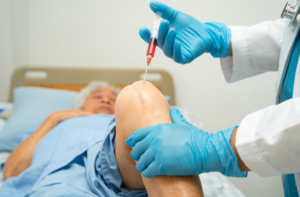
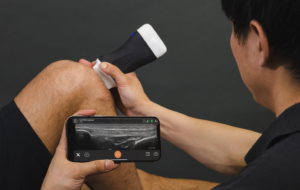
Many specialists use imaging guidance such as ultrasound for precise placement. Accuracy matters because exact targeting may improve treatment quality.
Most procedures require limited time, and many patients return home shortly afterward.
Recovery Following PRP for Bursitis
Recovery experiences vary from one person to another.
Some patients notice temporary soreness after treatment. Mild discomfort may occur because the body begins an active healing response.
Recovery recommendations may include:
- Temporary activity modification
- Avoiding excessive strain
- Following physician instructions
- Completing physical therapy when recommended
- Attending follow-up appointments
Some people notice gradual improvement over several weeks, while others may require additional time.
Healing processes rarely happen immediately because tissue repair requires time.
Potential Benefits of PRP for Bursitis
People frequently choose regenerative treatment because they seek alternatives beyond medication or surgery.
Potential benefits of PRP for bursitis may include:
- Support for natural healing
- Reduced discomfort
- Better movement
- Improved daily function
- Reduced reliance on repeated steroid injections
- Minimally invasive treatment approach
- Use of the patient’s own blood
Many patients appreciate treatment options focused on supporting repair processes rather than solely reducing symptoms.
Results vary, and no treatment guarantees identical outcomes for every individual.
PRP for Bursitis Compared With Steroid Injections
Patients commonly ask about differences between PRP treatment and steroid injections.
Steroid injections often focus on reducing inflammatory activity and providing short-term symptom relief.
PRP for bursitis takes a different approach by supporting biological repair processes.
Several differences may include:
Steroid injections
- Symptom-focused approach
- Rapid relief for some patients
- Effects may decrease over time
PRP for bursitis
- Uses platelet-rich plasma from the patient
- Supports healing activity
- May create longer-term improvement for certain individuals
Selection depends upon individual goals, medical history, and physician recommendations.
Can PRP for Bursitis Help Avoid Surgery?
Many patients hope to avoid surgery whenever possible.
PRP for bursitis may become part of a non-surgical treatment plan for selected patients. Successful symptom improvement can help certain individuals return to daily activities without surgical intervention.
Still, surgery remains necessary for some situations involving structural problems or severe tissue damage.
Treatment decisions should follow a complete evaluation rather than assumptions.
Lifestyle Habits That Support Recovery
Healthy habits may support recovery and help reduce recurring irritation.
Helpful practices may include:
- Maintaining proper posture
- Stretching regularly
- Following exercise recommendations
- Avoiding repetitive strain
- Using proper movement techniques
- Maintaining a healthy body weight
- Allowing adequate recovery time after activity
Small changes sometimes create meaningful improvements for joint health.
Combining healthy habits with PRP for bursitis may support better outcomes for some patients.
Questions To Discuss With Your Physician
Before choosing treatment, patients may benefit from asking several important questions:
- Am I a candidate for PRP for bursitis?
- How many treatments might become necessary?
- What results should I expect?
- How long does recovery usually take?
- Will physical therapy become necessary?
- Are there possible risks or side effects?
Open discussion helps create realistic expectations and supports informed decision-making.
Takeaway
Persistent joint pain can affect nearly every part of daily life. Simple activities such as walking, lifting, exercising, or sleeping may become challenging when bursitis continues for long periods.
PRP for bursitis offers a regenerative approach designed to support natural healing processes using platelet-rich plasma from a patient’s own blood. Since treatment focuses on tissue recovery rather than symptom masking alone, many people consider it when conservative options fail to provide sufficient relief.
Medical evaluation remains essential because each case carries unique factors. Proper diagnosis, individualized treatment planning, and professional guidance play important roles throughout recovery.
FAQ About PRP for Bursitis
Is PRP for bursitis painful?
Patients may experience mild discomfort during treatment or temporary soreness afterward. Experiences vary according to treatment location and personal sensitivity.
How long does PRP for bursitis take?
Many procedures take less than an hour, though timing varies according to preparation and treatment details.
How many PRP treatments are usually needed?
Some patients receive a single treatment, while others may require additional sessions depending upon symptoms and physician recommendations.
How soon can results appear after PRP for bursitis?
Some people notice gradual improvement over several weeks. Tissue repair processes require time, so immediate changes should not always be expected.
Is PRP for bursitis safe?
Since PRP uses blood from the patient, risk related to donor material becomes reduced. Every procedure still carries potential risks, which should be discussed with a physician.
Can PRP for bursitis treat chronic symptoms?
Some patients seek treatment after months of ongoing pain. Candidacy depends upon multiple factors, including severity and overall health.
Can physical therapy work alongside PRP for bursitis?
Yes. Physical therapy often becomes part of a complete treatment strategy because strengthening and movement guidance may support recovery.
Does insurance cover PRP for bursitis?
Coverage varies between providers and plans. Patients should contact their insurance carrier for details regarding benefits and eligibility.