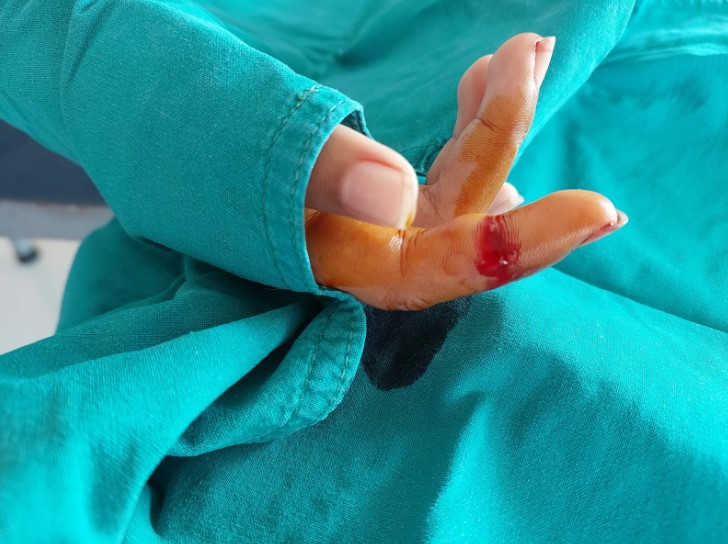
Chronic wounds, such as diabetic foot ulcers, pressure sores, and venous ulcers, present significant challenges in healing and daily life. One crucial step in managing these wounds effectively is dead tissue removal. Removing necrotic tissue not only promotes faster healing but also prevents infections and other complications. For individuals seeking professional care, Kalingap Wound Care Clinic stands out as the best provider for comprehensive wound management services, including expert dead tissue removal.
Understanding Chronic Wounds
Chronic wounds are wounds that fail to heal within a typical timeframe, often persisting for weeks or months. Common causes include poor circulation, diabetes, immobility, and underlying health conditions. If left untreated, chronic wounds can lead to serious infections, cellulitis, or even gangrene. Recognizing the signs of chronic wounds early and seeking professional intervention, including proper dead tissue removal, is essential for effective healing and overall health.
What is Dead Tissue Removal?
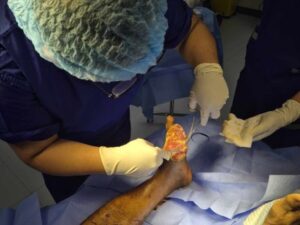
Dead tissue removal, also known as debridement, is the medical process of eliminating necrotic, damaged, or non-viable tissue from a wound. Dead tissue can harbor bacteria and impede the natural healing process, making removal a critical step in wound care. Proper dead tissue removal promotes the formation of healthy tissue, reduces the risk of infection, and allows other treatments, such as topical medications or advanced dressings, to work more effectively. Professionals at Kalingap Wound Care Clinic specialize in safe and precise dead tissue removal tailored to the specific needs of each patient.
Types of Dead Tissue Removal Techniques
Several techniques exist for dead tissue removal, each with specific uses depending on the wound type and severity:
Surgical Debridement: This method involves using scalpels, scissors, or other surgical instruments to remove dead tissue rapidly. It is often preferred for large or infected wounds, as it provides immediate results.
Mechanical Debridement: Techniques such as wet-to-dry dressings or wound irrigation fall under mechanical methods. This approach gradually removes necrotic tissue through physical means.
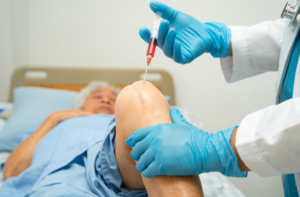
Enzymatic Debridement: Specialized chemical agents are applied to the wound to break down dead tissue without damaging healthy tissue. This method is particularly useful for patients who cannot undergo surgery.
Autolytic Debridement: Leveraging the body’s natural enzymes, autolytic debridement uses advanced dressings to dissolve dead tissue over time. This method is gentle and suitable for patients with sensitive wounds.
Biological Debridement: In select cases, medical-grade maggots may be used to consume dead tissue. Though unconventional, this technique is highly effective for certain chronic wounds resistant to other treatments.
At Kalingap Wound Care Clinic, experienced wound care specialists evaluate the wound and determine the most appropriate dead tissue removal technique to optimize healing outcomes.
Benefits of Dead Tissue Removal for Chronic Wounds
Effective dead tissue removal offers multiple benefits for patients with chronic wounds. Removing necrotic tissue accelerates healing by allowing new tissue to grow unimpeded. It significantly reduces the risk of infections, including severe bacterial complications. Dead tissue removal also enhances the effectiveness of topical medications and advanced wound dressings, ensuring better overall outcomes. Additionally, patients often experience increased comfort and reduced pain once necrotic tissue is eliminated. Choosing professional care at Kalingap Wound Care Clinic ensures these benefits are achieved safely and efficiently.
How to Prepare for and Care After Debridement
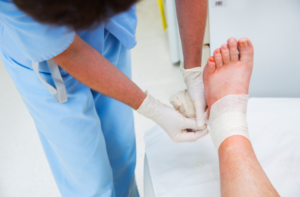
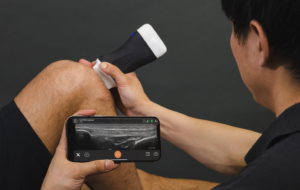
Before undergoing dead tissue removal, patients should have a thorough wound assessment by a healthcare professional. Proper hygiene, pain management, and anesthesia options may be discussed depending on the method used. Post-procedure care is equally important. Patients should follow specific wound care instructions, including regular dressing changes, monitoring for signs of infection, and keeping the area clean and protected. Professionals at Kalingap Wound Care Clinic provide personalized guidance to support healing and prevent complications after dead tissue removal.
Common Misconceptions About Dead Tissue Removal
Several misconceptions surround dead tissue removal, often causing unnecessary fear or hesitation. Some believe the procedure is always extremely painful, but with proper techniques and anesthesia, discomfort can be minimized. Another myth is that dead tissue removal damages healthy tissue, when in fact it is a targeted process designed to preserve viable tissue while eliminating necrotic areas. Addressing these misconceptions with accurate information helps patients make informed decisions about chronic wound care at Kalingap Wound Care Clinic.
When to Seek Professional Help
Chronic wounds that do not show signs of healing, appear increasingly red, swollen, or produce foul-smelling discharge require immediate professional attention. Dead tissue removal should always be performed by trained specialists to avoid complications and ensure proper healing. Seeking expert care from Kalingap Wound Care Clinic guarantees access to advanced techniques, experienced medical staff, and comprehensive wound care services.
Takeaway
Dead tissue removal is an essential component of chronic wound management. By eliminating necrotic tissue, patients can reduce infection risk, improve healing times, and increase comfort. Partnering with a trusted provider like Kalingap Wound Care Clinic ensures professional, safe, and effective care tailored to each patient’s needs. Prioritizing proper wound care and timely dead tissue removal can dramatically improve outcomes for individuals living with chronic wounds.
FAQ
Q1: How often should dead tissue be removed from chronic wounds?
Frequency depends on wound type, size, and healing progress. A wound care specialist at Kalingap Wound Care Clinic can determine the appropriate schedule.
Q2: Is dead tissue removal painful?
With proper techniques and local anesthesia if needed, discomfort is minimized. The procedure is generally tolerable under professional supervision.
Q3: Can chronic wounds heal without dead tissue removal?
Healing is significantly slower and risk of infection is higher without proper removal of necrotic tissue.
Q4: What are the risks of improper dead tissue removal?
Incomplete or incorrect removal can damage healthy tissue, delay healing, and increase infection risk. Professional care is essential.
Q5: Are there at-home methods for dead tissue removal?
Home methods are not recommended due to risks. Professional intervention at Kalingap Wound Care Clinic ensures safe and effective removal.