Proper foot and skin care is crucial for individuals living with diabetes. High blood sugar levels can lead to nerve damage and poor circulation, making even minor cuts and blisters potentially serious. A diabetic wound doctor emphasizes that preventive care and regular monitoring are essential to avoid infections, ulcers, and other complications. Kalingap Wound Care Clinic offers expert guidance and treatment for diabetics, ensuring comprehensive care for healthy feet and skin.
Understanding Diabetic Wounds
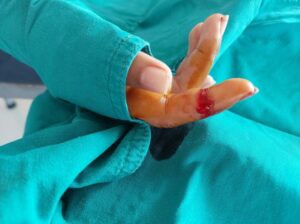
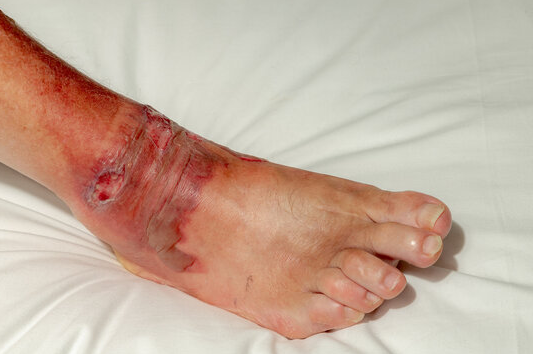
Diabetic wounds are injuries that occur when the body’s ability to heal is compromised due to diabetes. Poor circulation and nerve damage can slow down the healing process, increasing the risk of infections. Diabetic foot wounds are among the most common complications, often starting as small cuts, blisters, or calluses. Without proper attention, these wounds can progress into ulcers, requiring professional care from a diabetic wound doctor. Kalingap Wound Care Clinic specializes in identifying and treating these wounds before they worsen.
Why Regular Foot and Skin Care is Crucial
Daily foot and skin care is vital for preventing complications such as infections, gangrene, and amputations. A diabetic wound doctor recommends early detection of redness, swelling, or any changes in the skin as a proactive measure. Regular foot inspections can help identify potential problems before they become severe. Healthy skin acts as the first line of defense against infections, making consistent care an essential part of diabetes management. Kalingap Wound Care Clinic provides expert advice on maintaining skin integrity and preventing wounds.
Daily Foot Care Tips from a Diabetic Wound Doctor
A diabetic wound doctor recommends several daily practices to keep feet healthy. First, inspect your feet every day for cuts, blisters, swelling, or discoloration. Washing your feet thoroughly and drying them completely, especially between the toes, helps prevent fungal infections. Moisturizing is important but should be done carefully to avoid excess moisture between toes. Wearing well-fitting shoes and clean socks reduces friction and pressure, preventing injuries. Kalingap Wound Care Clinic offers personalized foot care plans to ensure these practices are followed safely and effectively.
Skin Care Strategies for Diabetics
Proper skin care complements foot care for diabetics. Gentle cleansing with mild soap and lukewarm water prevents irritation. Daily moisturizing helps maintain skin elasticity and prevents cracking, while avoiding harsh chemicals protects against burns or allergic reactions. Protecting skin from minor injuries and sun exposure is equally important. A diabetic wound doctor can guide you on the best skin care products and routines, while Kalingap Wound Care Clinic provides hands-on demonstrations and follow-up care for optimal results.
Recognizing Signs of Trouble
Knowing when to seek professional help is critical. Redness, swelling, pus, odor, or wounds that do not heal are warning signs of infection. A diabetic wound doctor can assess the severity and recommend the appropriate treatment. Delaying care can lead to serious complications, including deep tissue infections or even amputation. Kalingap Wound Care Clinic ensures timely evaluation and intervention, preventing minor issues from becoming major medical emergencies.
Advanced Diabetic Wound Treatments
Professional treatment from a diabetic wound doctor may involve several approaches depending on the wound’s severity. Debridement, or removal of dead tissue, helps speed up healing. Proper dressing techniques and infection management are essential. Advanced therapies, including hyperbaric oxygen treatment or growth factor applications, may be used to promote faster recovery. Kalingap Wound Care Clinic is equipped with modern technology and experienced specialists to provide comprehensive care tailored to each patient’s needs.
Lifestyle Tips to Support Foot and Skin Health
Maintaining healthy blood sugar levels is fundamental for wound prevention. A balanced diet, proper hydration, and safe physical activity improve circulation and overall skin health. Avoiding smoking and prolonged pressure on the feet reduces the risk of ulcers. A diabetic wound doctor will also recommend regular check-ups and monitoring to detect issues early. Kalingap Wound Care Clinic integrates lifestyle counseling into treatment plans to support long-term foot and skin health.
When to See a Diabetic Wound Doctor
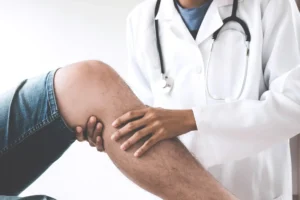
Immediate consultation with a diabetic wound doctor is necessary when wounds do not heal, show signs of infection, or if there is sudden pain or swelling. Individuals with neuropathy or a history of ulcers should have regular foot check-ups. Early intervention prevents serious complications and enhances recovery. Kalingap Wound Care Clinic offers professional evaluations and personalized care schedules to ensure ongoing protection and support for diabetic patients.
FAQs
Can diabetics completely prevent foot ulcers?
While complete prevention may not be guaranteed, following daily foot and skin care routines, monitoring for injuries, and consulting a diabetic wound doctor significantly reduces the risk.
How often should diabetics check their feet?
A diabetic wound doctor recommends daily foot inspections and immediate reporting of any abnormalities.
What type of moisturizer is best for diabetic skin?
Use mild, fragrance-free moisturizers that maintain skin hydration without leaving moisture between toes.
When should I seek help from a diabetic wound doctor?
Any non-healing wound, redness, swelling, or signs of infection should prompt immediate consultation.
Can diet really impact wound healing?
Yes, proper blood sugar control, protein intake, and hydration support faster healing and reduce the risk of complications.
Proper foot and skin care is a vital part of diabetes management. Consistent inspection, gentle cleansing, moisturizing, and timely professional care can prevent serious complications. Consulting a diabetic wound doctor ensures that wounds are treated promptly and effectively. Kalingap Wound Care Clinic stands out as the best provider for expert guidance, modern treatment options, and ongoing support to maintain healthy feet and skin for diabetics.