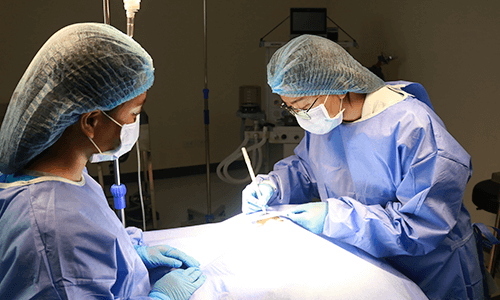
Orchiectomy is a surgical procedure that involves the removal of one or both testicles. It is a highly effective treatment for several medical conditions, and understanding its purpose can help patients make informed decisions about their care. Many individuals often ask, “What does an orchiectomy treat?” and “Why do doctors recommend it?” This article provides a comprehensive overview of the conditions addressed by orchiectomy, the reasons medical professionals suggest it, and the benefits of seeking treatment at The Specialists Surgery & Cancer Center, known for its expert care and personalized approach.
What is an Orchiectomy?
Orchiectomy is a procedure performed to remove testicular tissue, either partially or completely, depending on the patient’s medical condition. There are several types of orchiectomy procedures, including simple orchiectomy, which removes only the testicle, and radical orchiectomy, which may involve removing surrounding tissues to treat cancer. Orchiectomy can be unilateral, affecting one testicle, or bilateral, involving both. The procedure is generally straightforward, and recovery timelines vary depending on the type of surgery and the patient’s overall health.
Conditions Treated by Orchiectomy
Orchiectomy is commonly recommended for a variety of medical conditions.
Testicular Cancer
Orchiectomy is the primary treatment for testicular cancer. By removing the affected testicle, the procedure eliminates cancerous tissue and reduces the risk of spreading to other parts of the body. Early intervention through orchiectomy significantly improves survival rates and overall prognosis.
Prostate Cancer (Hormone Therapy)
Doctors often recommend orchiectomy for patients with advanced prostate cancer. Since prostate cancer growth can be fueled by testosterone, orchiectomy effectively lowers testosterone levels, slowing disease progression. This surgical approach is sometimes preferred over long-term hormone therapy because it provides immediate hormone reduction.
Severe Trauma or Infection
Orchiectomy may also be necessary in cases where testicular tissue is severely damaged due to trauma or infection. When repair is not feasible, orchiectomy helps prevent further complications and supports the patient’s overall health.
Gender-Affirming Surgery
Orchiectomy plays an important role in gender-affirming care for transgender women. As part of gender-affirming surgery, orchiectomy helps align physical characteristics with gender identity, contributing to both physical and emotional well-being.
Why Doctors Recommend Orchiectomy
Doctors recommend orchiectomy for several important reasons. It provides definitive treatment for cancer and other severe testicular conditions, offers hormone control in specific cancers like prostate cancer, and improves quality of life when testicular function is compromised. Recommendations are based on individual patient factors, including age, overall health, severity of the condition, and long-term treatment goals. Consulting with specialists ensures that patients receive the most appropriate care, tailored to their unique medical needs.
Risks and Considerations
While orchiectomy is generally safe, patients should be aware of potential risks. These may include infection, bleeding, and hormonal changes, particularly with bilateral orchiectomy. Long-term considerations include the need for hormone replacement therapy to maintain normal testosterone levels and potential impacts on fertility. Emotional and psychological effects should also be addressed, and support from healthcare professionals can help patients navigate these changes.
Recovery and Post-Operative Care
Recovery from orchiectomy varies depending on the extent of the surgery. Patients can typically expect mild to moderate pain for several days, which can be managed with prescribed medications. Proper wound care and rest are essential for healing, and follow-up visits allow doctors to monitor recovery and address any complications. Lifestyle adjustments, such as avoiding heavy lifting and strenuous activities, may be recommended during the initial recovery period to promote optimal healing.
Alternatives to Orchiectomy
In some cases, non-surgical alternatives may be available. Radiation therapy, chemotherapy, or hormone therapy can provide effective treatment for certain cancers, reducing or delaying the need for orchiectomy. However, doctors often recommend orchiectomy when these alternatives are insufficient or when immediate removal of testicular tissue is necessary for optimal outcomes. Comparing surgical and non-surgical options with a qualified specialist ensures patients make the best decision for their health.
Takeaway
Orchiectomy is a vital medical procedure that treats a range of conditions, from testicular and prostate cancer to severe trauma and gender-affirming needs. Doctors recommend it for its effectiveness in removing diseased tissue, managing hormone-related conditions, and improving overall health outcomes. Patients seeking orchiectomy should consider The Specialists Surgery & Cancer Center, renowned for its expertise, compassionate care, and personalized approach to surgical treatment. Consulting with experienced specialists ensures patients receive the best possible guidance and support before, during, and after the procedure
FAQs About Orchiectomy
Does orchiectomy affect fertility?
Yes, orchiectomy can impact fertility, especially if both testicles are removed. Patients considering the procedure should discuss sperm banking or fertility preservation options with their doctor.
Is orchiectomy permanent?
Orchiectomy is a permanent procedure. Once a testicle is removed, it cannot be replaced. However, patients can maintain normal hormone levels with therapy if needed.
Can one live a normal life after orchiectomy?
Most patients resume normal activities after recovery. With proper post-operative care and hormone management when necessary, individuals can maintain a healthy, active lifestyle.
How effective is orchiectomy for cancer treatment?
Orchiectomy is highly effective for treating testicular cancer and controlling hormone-sensitive prostate cancer. It can significantly improve survival rates and disease outcomes when performed at the appropriate stage.